


Tom hadn’t always been cynical. But the weight of wrong and the fifteen years in corporate sales had taught him people only looked out for themselves. Each denied promotion, each backstabbed project, each client who promised “next time” – they all added up. Like compound interest on his disappointment in humanity.
“People suck,” he’d tell his wife Sarah when she suggested joining the neighborhood cookouts. “I deal with enough fake smiles at work.”
Their son Ben, twelve and still somehow unscarred by the world, would roll his eyes. “Dad, you sound like the villain in a superhero movie.”
Maybe he did. But villains usually had their reasons.
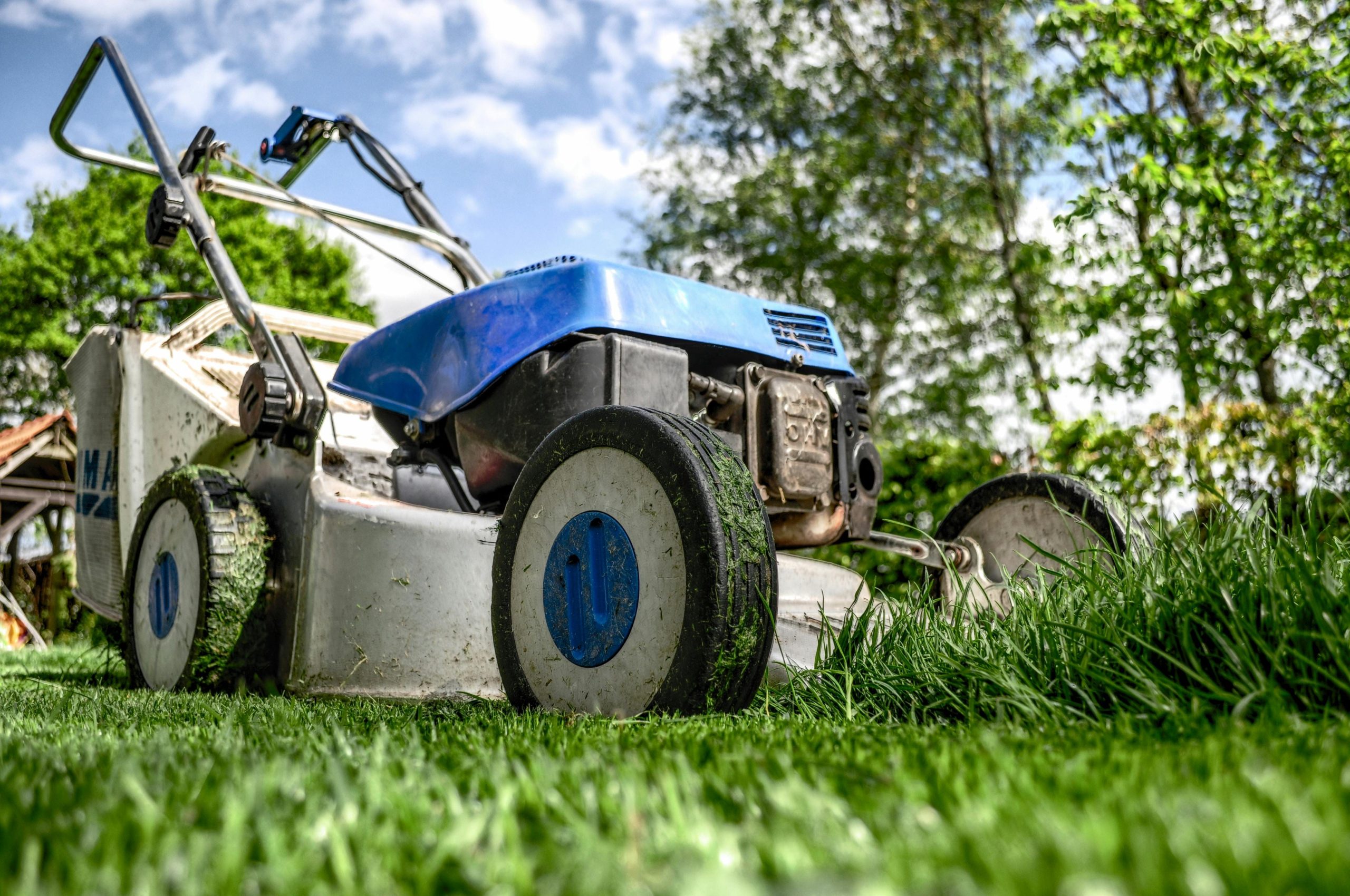
Then Ben started a lawn-mowing business.
Tom had tried to warn him. Told him about property damage claims, about people who’d find excuses not to pay, about all the ways this little venture would teach him how the world really worked.
“Maybe,” Ben had said, shrugging into his too-big safety goggles. “But what if you’re wrong?”
Those four words hit harder than any sales rejection.
What if you’re wrong?
For six weekends, Tom watched from his home office window as Ben pushed their old mower across neighborhood lawns. Waited for the other shoe to drop. For the lesson to hit.
Instead, he watched Mrs. Chen from next door bring Ben lemonade.
Watched Mr. Peterson, the grumpy retired mechanic, spend an hour teaching Ben how to maintain the mower properly.
Watched the Williams family’s teenage kids – who Tom had labeled as “trouble” – help Ben bag leaves when he fell behind schedule.
“See?” Ben would say, dropping sweaty dollar bills on the kitchen counter. “People are pretty cool if you give them a chance.”
Tom remembered being that age. Remembered believing in people. When had he stopped? Which disappointment had been the final straw?
“You know what the weird thing is?” Ben said one Sunday evening, counting his week’s earnings. “Mr. Peterson said he used to think people were all selfish too. But then some kid offered to shovel his driveway for free when he had his hip surgery. Said it changed his mind.”
Tom stared at his son, this strange creature who somehow saw the world so differently. “And what if someone does screw you over eventually?”
Ben looked up, grass stains on his cheeks, hope in his eyes. “Then they’re wrong about people, not me.”
That night, Tom lay awake, turning his son’s words over in his mind. Fifteen years of collecting evidence for why people couldn’t be trusted. Had he been conducting research, or just confirming what he’d decided to believe?
The next morning, instead of his usual quick wave, he stopped to actually talk with Mrs. Chen at the mailbox. Learned she’d been a concert pianist in Taiwan. Had his first real conversation with Mr. Peterson and discovered they shared a passion for vintage motorcycles.
Small moments. Tiny tears in the armor he’d spent years building.
“You seem different,” Sarah said over dinner that week. “More… here.”
Tom watched Ben explaining to his little sister how photosynthesis worked, using french fries as visual aids. “Maybe I’m just tired of being wrong.”
Because that was the real weight, wasn’t it? Not disappointment in others, but the exhaustion of expecting it. The constant armor-wearing. The energy it took to maintain walls that might have been keeping more out than in.
“People still suck sometimes,” he told Ben that weekend, helping him edge Mrs. Chen’s lawn – something he’d never imagined himself doing. “But maybe not as often as I thought.”
Ben wiped sweat from his forehead, leaving a streak of dirt. “That’s okay, Dad. Being wrong about that is better than being right.”
Tom smiled, feeling the weight of wrong getting just a little lighter.
Sometimes the best lessons don’t come from being right. They come from a twelve-year-old with an old lawn mower and four simple words:
What if you’re wrong?
Photo by Skitterphoto